New Playwright project
Scenario selection, architecture, conventions, and initial tests to build on a healthy foundation.

Test automation · Playwright
Zoryatek helps development and quality assurance teams start, migrate, or improve test automation — from application analysis through CI/CD integration.
Your needs
Services
Scenario selection, architecture, conventions, and initial tests to build on a healthy foundation.
Analysis of the current suite and progressive migration of priority tests without needless disruption.
Stabilization, refactoring, and noise reduction for results your team can trust.
Execution in your pipelines, readable reports, and signals the team can act on.
Close collaboration with developers and QA through documentation, training, and code reviews.
Targeted use to accelerate analysis and preparation, always with human validation.
Method
Analyze the application, its risks, and the resources available.
Define the strategy and scenarios that provide the most value.
Set up a clear, maintainable Playwright architecture.
Build tests progressively and review them with the team.
Connect the suite to CI/CD and make results actionable.
Document decisions and build autonomy by working together.
Sources analyzed
Zoryatek combines the available sources to understand critical journeys, risks, and actual expectations.
Expected outcomes
Reduce low-value manual verification.
Identify important regressions earlier.
Get more stable, easier-to-understand results.
Give the team better signals before production.
Share quality ownership across QA and development.
Leave behind an understood, documented, extensible architecture.
Next step
A first 30-minute conversation helps clarify your context, priorities, and most useful starting point. Engagements are primarily remote across Canada and internationally, with flexible weekly hours.
info@zoryatek.com
Sherbrooke, Québec · Canada
About
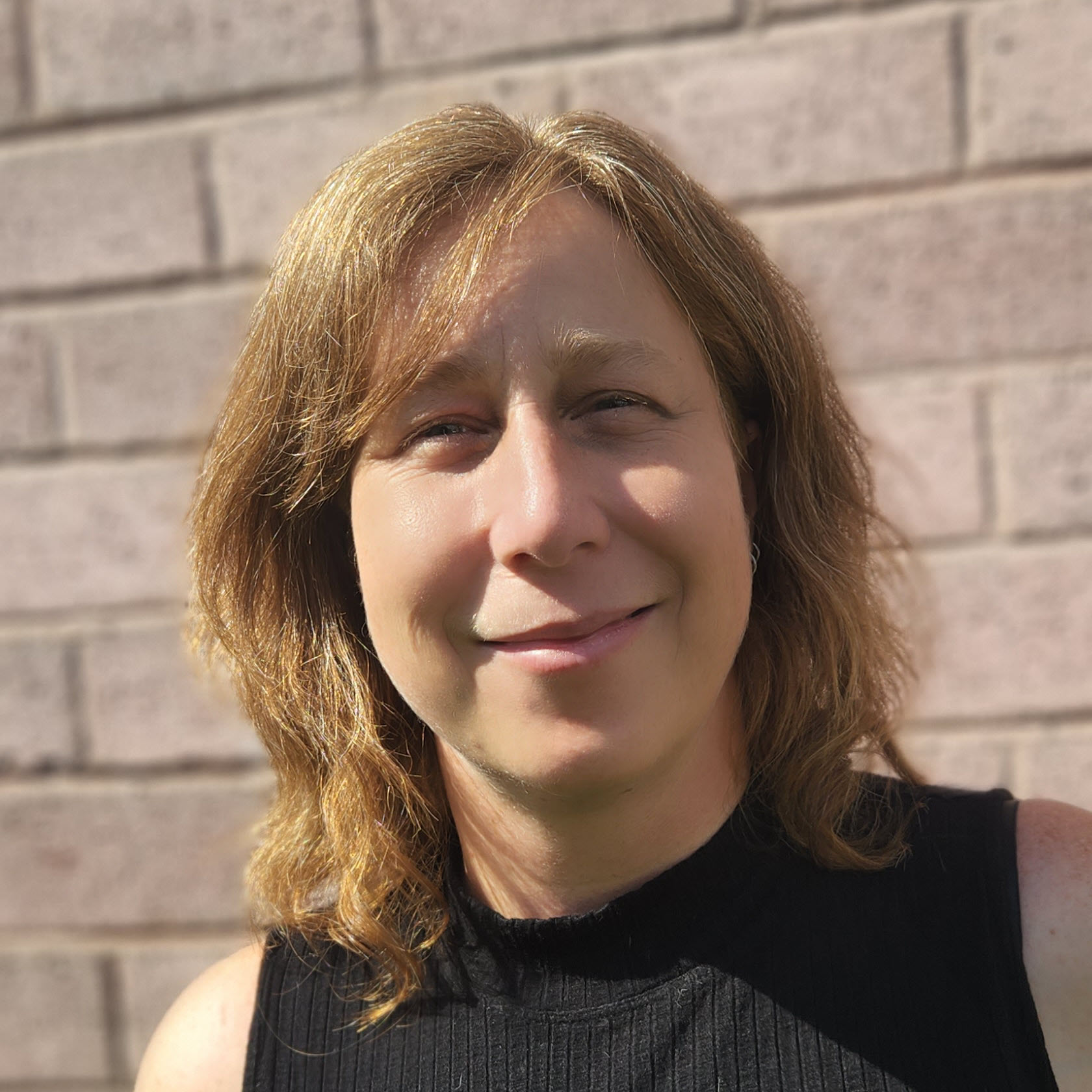
Charelle Lacasse brings more than 20 years of experience in software quality and automation. Her background also spans development, DevOps and cloud, release coordination, training, and mentoring.
She combines hands-on Playwright expertise with pragmatic use of artificial intelligence. She works alongside your existing teams, reads the code, makes decisions explicit, and transfers knowledge rather than creating dependency.
AI assists. Human expertise decides.